
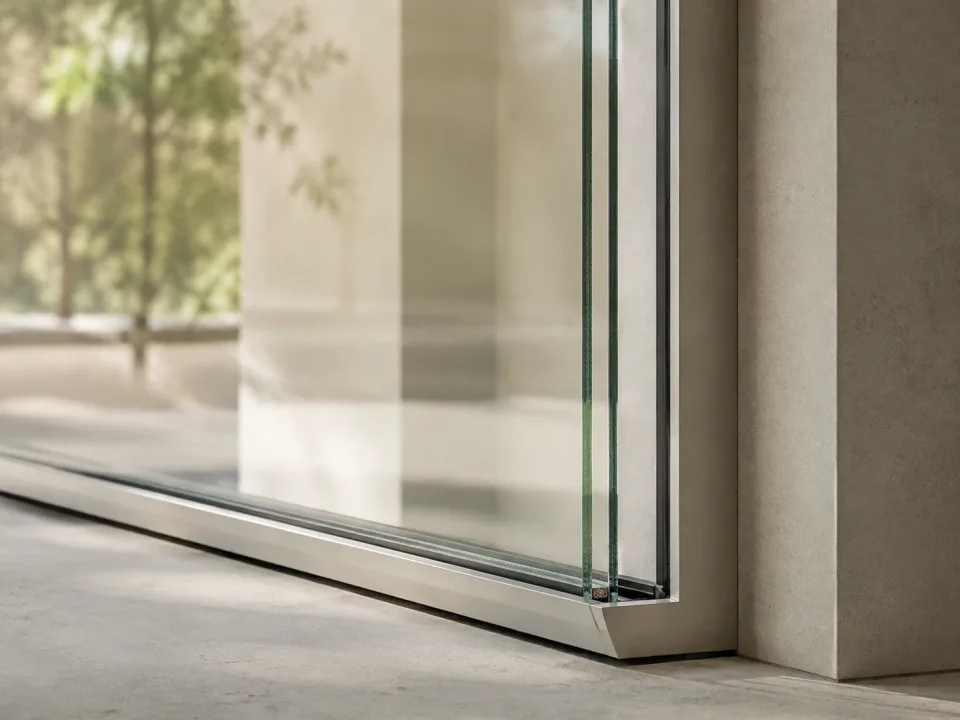

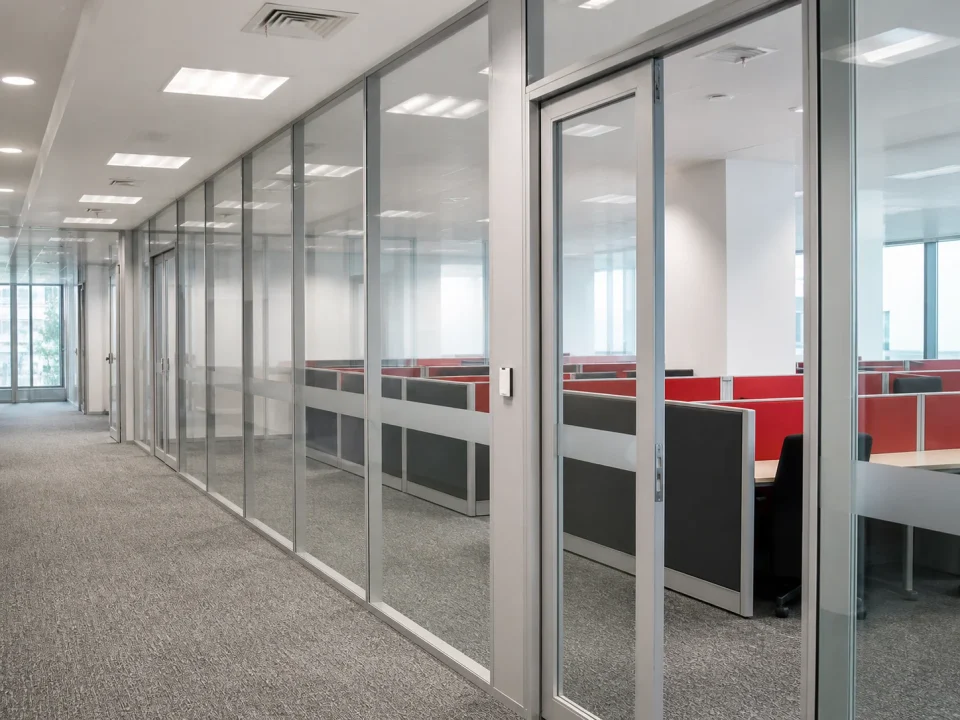
Tempered Glass
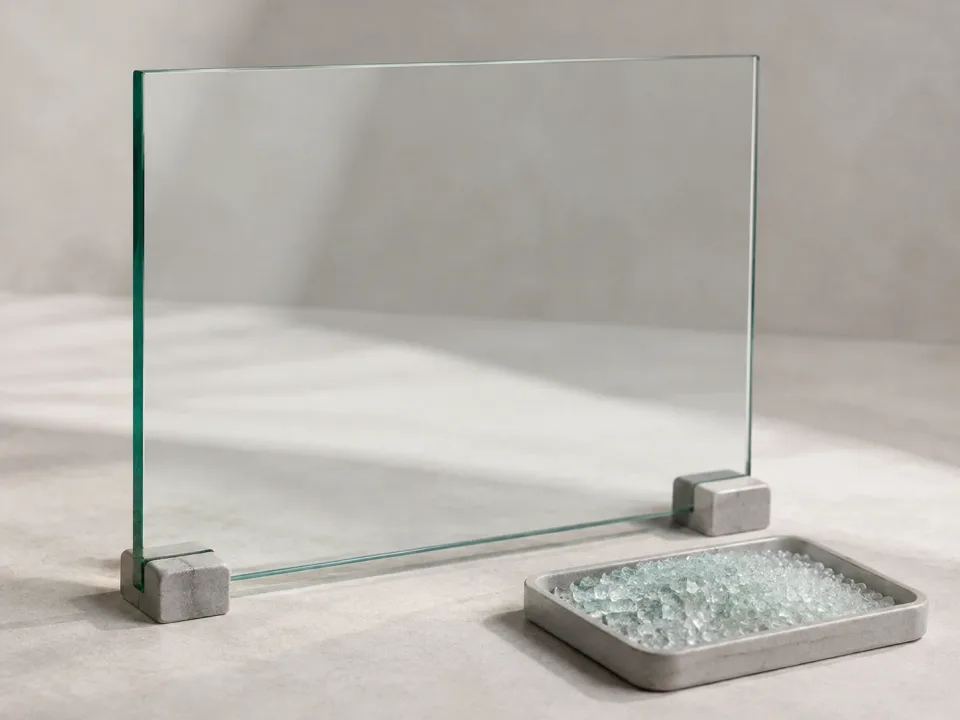
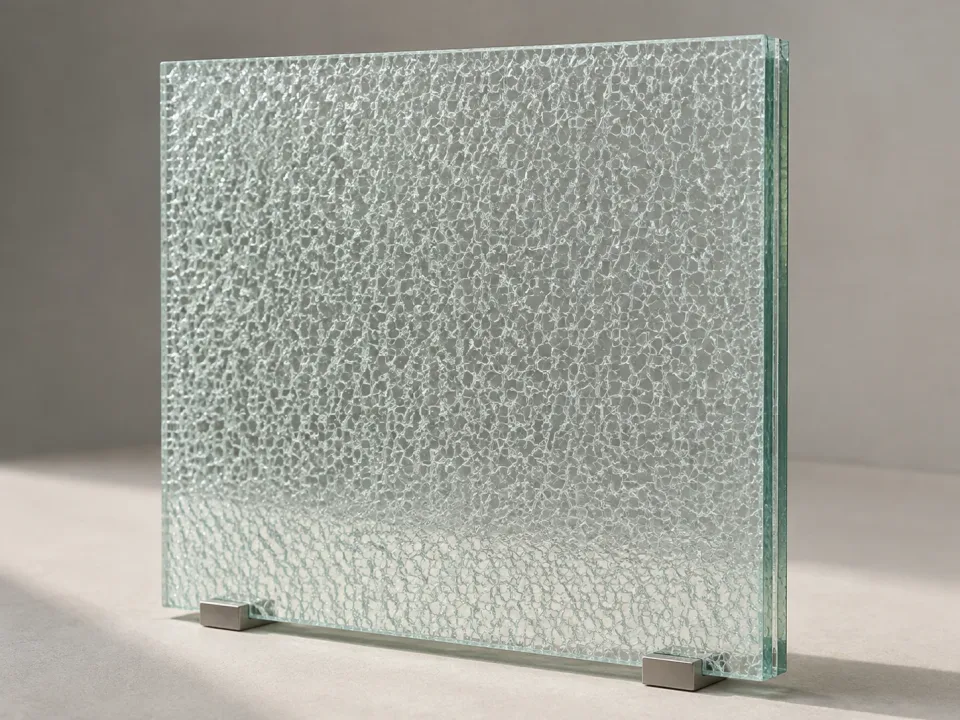
Heat-treated for strength; breaks into small granules. Used for doors, shower screens, and glazing.

GLASS COLLECTION
Transparency beyond aesthetics
Select glazing for the safety, comfort, and performance of each project.
Explore glass productsOUR PRODUCTS
Explore safety, performance, and decorative glazing for every part of your project.
All glass products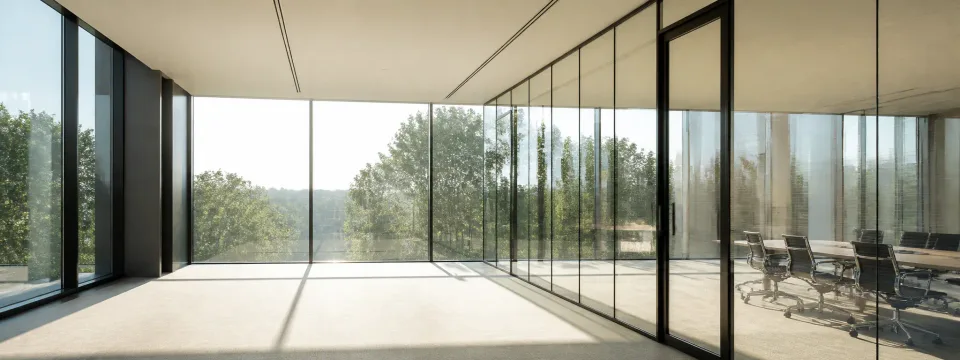
APPLICATION GUIDE
Choose the right type of glass for every area of your project.
Consider tempered and laminated glass for the installation location.
Consider Low-E glazing and insulating glass units.
Consider mirrors, decorative glass, or glazing suited to the space.
Review fire-resistant glass, curved glass, or a specified build-up.

SPECIAL CAPABILITIES
Review curved glass, special sizes, and architectural glazing with dimensions and fabrication details confirmed for each project.
Discuss a specialist projectChoose by installation position, breakage behaviour, and protection level so strength and fragment retention fit the job.
Extend the core safety range with thicker build-ups and protection levels designed around the actual risk.
Heat-treated for strength; breaks into small granules. Used for doors, shower screens, and glazing.
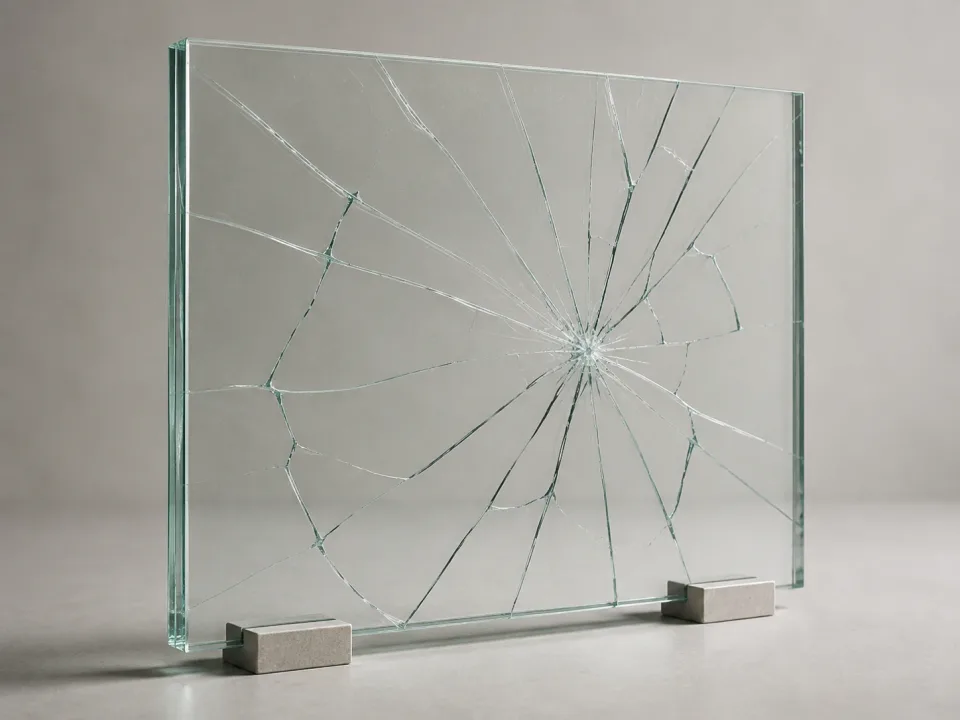
Glass bonded with an interlayer that helps retain fragments after breakage.
Tempered panes bonded with an interlayer to retain the small fragments; specify the build-up for the loads and location.
Indicative chart build-ups: IGU up to 72 mm overall; laminated build-up with up to seven 15 mm glass layers, subject to confirmed design.
Specify the build-up and protection level for the actual threat, panel weight, and framing; the product name is not a test result.
Coordinate laminated glass, fixings, and the project's design wind pressure with tested performance for the complete opening.
For openings where heat, sound, condensation, panel size, and clarity matter.
Support larger openings and thermal control while confirming dimensions, weight, and performance values for the actual build-up.
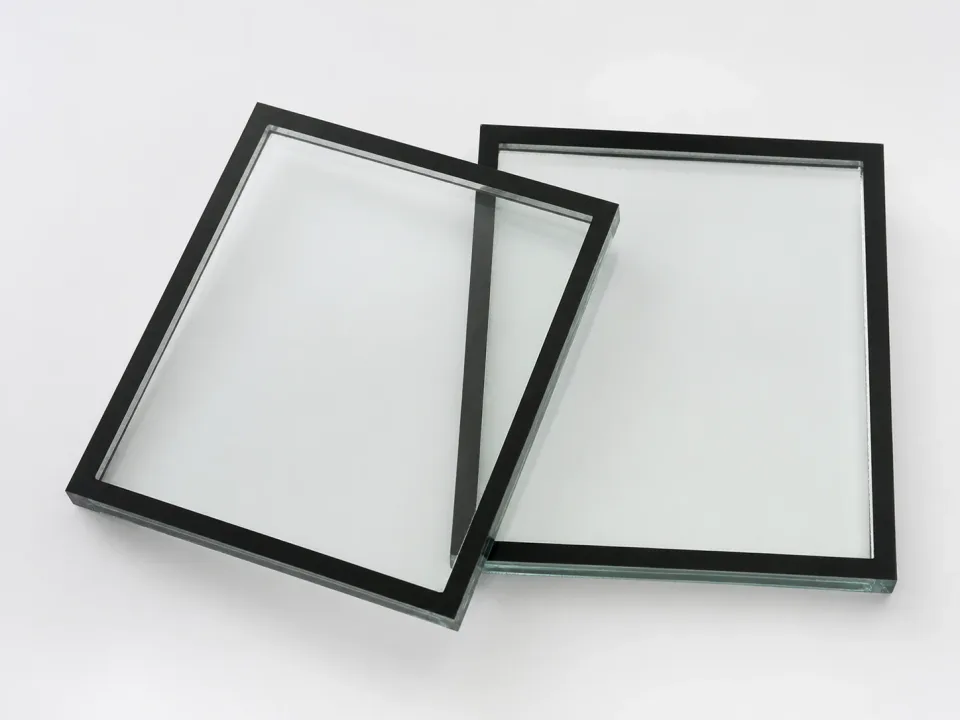
Two panes separated by a sealed air or gas cavity to reduce heat transfer.
A thin coating reduces heat transfer while admitting daylight; commonly used within an IGU.
Indicative chart sizes: tempered and laminated up to 12,000 × 3,700 mm; IGU example 3,300 × 8,000 mm.
Wide-format panels can be coordinated by glass type; confirm the actual size, weight, and installation route before production.
Low-iron glass for a clearer, more neutral appearance; approve a physical sample before production.
Glass for applications combining daylight with power generation; coordinate the structure and electrical system.
Add colour, pattern, reflection, light control, or privacy to an interior scheme.
Extend the decorative range with digital patterns and interlayers that modulate light transmission for the selected application.
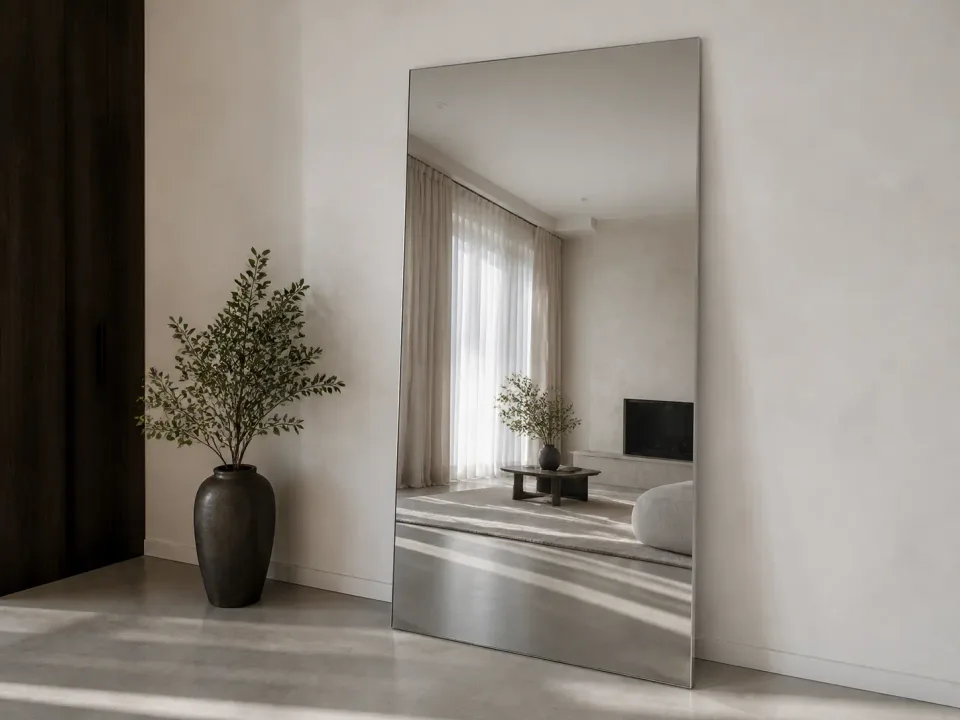
Glass with a reflective backing for controlled interior mirror surfaces.
Printed, fritted, and coloured laminated glass for decorative work.
Digitally printed ceramic patterns or frit for façades, solar screening, and interiors.
Laminated glass using a photochromic interlayer to modulate light transmission for the selected application.
Special properties for façades, flat reflections, fire resistance, and specialist applications.
Bring together specialist properties that must be specified with the complete system, test documents, and project requirements.
Heat-treated glass with larger breakage fragments than tempered glass; laminate where fragment retention is required.
A surface coating helps water spread into a film to wash away dirt; periodic cleaning is still needed.
Glazing for fire doors and partitions; glass, frame, and seals must match the required fire-rated assembly.
For fire-rated doors or walls; confirm the Fire Rating for the glass, frame, seals, and complete assembly.
View product →Glass incorporating optical or electronic functions for specialist applications.
Wire-reinforced glass for specified applications; confirm the required safety and fire details.
Curved formats where radius, height, and production method must be checked for the selected series from the start.
Indicative chart size: 1,800 mm arc length × 3,000 mm height, with a minimum radius of 850 mm.
Indicative chart sizes: 3,300 × 9,000 mm with a minimum radius of 2,500 mm, or 3,000 × 5,000 mm with a minimum radius of 1,500 mm.
Start with the glass's position and job. Then select the build-up, thickness, and coating as one specification.
Start with tempered, laminated, or tempered laminated glass based on position and risk.
Consider IGU and Low-E, confirming values for the selected build-up rather than choosing by name alone.
Choose ceramic frit, digital ceramic, or a coloured interlayer for the intended appearance and position.
Consider heat-strengthened glass and lamination when the façade design requires a flatter appearance and safety build-up.
NEED EXPERT ADVICE?
The NESTA team can help review glass types, applications, and design options.